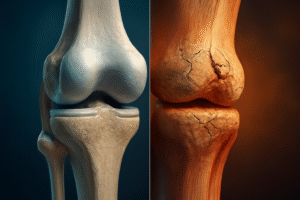
Have you had blood tests to investigate your joint pain? If not, it’s crucial to consider this possibility. After all, modern medicine — especially regenerative medicine — has evolved, and with it, the way we assess pain has also changed.
For a long time, it was believed that only imaging tests, such as MRIs and X-rays, were necessary. However, today we know that this approach is limited. In other words, it’s like trying to solve a puzzle with half the pieces.
According to Dr. Gabriel Azzini, a specialist in regenerative medicine, laboratory tests act as a true GPS of your health. They indicate exactly where the body is imbalanced, inflamed, or deficient. Therefore, if you want to understand the real source of your pain, it’s essential to investigate your blood.
🔍 Why Are Blood Tests So Important?
First, we need to acknowledge that chronic pain rarely appears out of nowhere. In fact, it is the result of imbalances that accumulate over time.
Furthermore, it’s important to highlight that silent inflammation may be acting without you noticing. As a result, treatment based only on medication or physiotherapy can become ineffective.
In other words, without understanding the markers present in your blood, any intervention will be limited. Thus, including laboratory tests in your care plan is not just a detail — it’s an essential strategy.
🧪 The Tests that Reveal the Roots of Pain
Below, you will see the tests most recommended by Dr. Gabriel to deeply understand what’s happening with your joints. Each of these provides unique and valuable clues.
- Complete Blood Count
- Low haematocrit? This could indicate anaemia, reducing oxygenation of tissues and delaying regeneration.
High RDW? This suggests dysfunction in the bone marrow, increasing the risk of osteoarthritis progression.
As you can see, a simple test already offers valuable information.
2. High-Sensitivity C-Reactive Protein (hs-CRP)
-
- High levels of CRP indicate hidden inflammation. In other words, even without intense pain, the body is already on alert.
Monitoring this marker helps prevent future crises and exacerbations. Moreover, it is one of the most sensitive markers available.
3. Glucose and Insulin
-
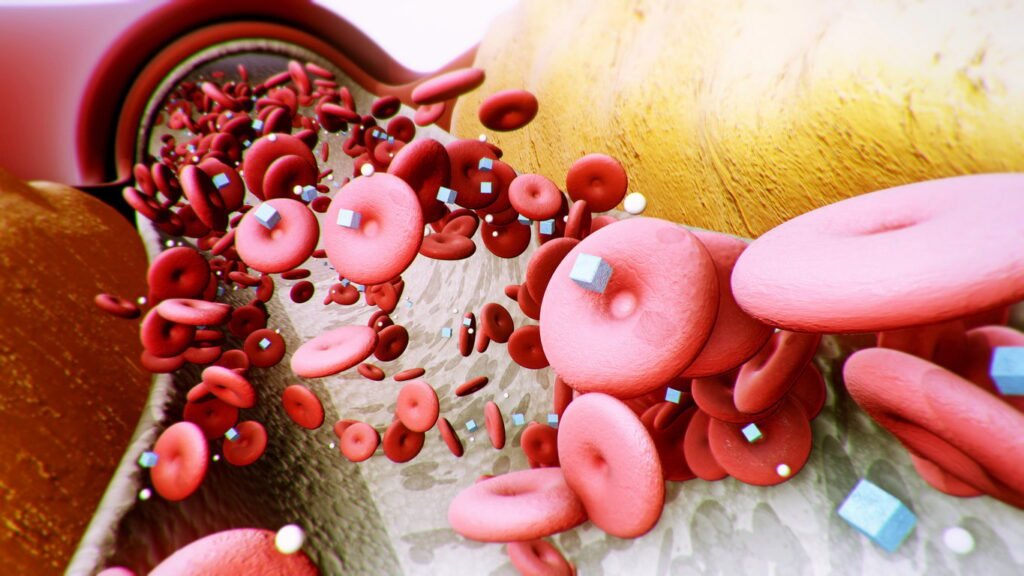
- Excess glucose hinders regeneration. Thus, glycemic control is a priority in any anti-inflammatory plan.
- Elevated insulin indicates metabolic resistance, which impairs the body’s healing ability.
Therefore, calculating the HOMA-IR index is a mandatory step. Otherwise, treatment will be incomplete.
4. Gamma-GT
-
- This test indicates liver overload, revealing how your body is handling oxidative stress.
As a result, it can signal chronic inflammation even before symptoms appear. Don’t underestimate this marker, as it can help prevent more serious complications.
5. 25-Hydroxyvitamin D
-
- Low levels of this vitamin are linked to worsening joint pain and collagen loss.
- Moreover, vitamin D deficiency weakens immunity, bone health, and muscle recovery.
Maintaining adequate vitamin D levels is crucial for those who want to live pain-free.
6. Homocysteine
-
- When high, this substance favours joint injuries and directly contributes to osteoarthritis and osteoporosis.
Therefore, controlling it with proper supplementation can dramatically improve your response to treatment. It’s also an excellent marker of longevity.
7. Lipid Profile
-
- High HDL? Great. This protects the joints.
- Elevated triglycerides? Not good. They fuel the inflammatory process.
A poor lipid profile accelerates joint wear. In other words, a simple cholesterol change could be worsening your pain.
8. TSH, T3, and T4 (Thyroid Hormones)
-
- The thyroid regulates metabolism, directly affecting cartilage health.
High TSH indicates excessive strain on the gland. Therefore, it’s important to investigate hidden causes.
Thyroid disorders are very common after 40 — particularly in women.
9. Testosterone and Estradiol
-
- These hormones regulate bone mass and muscle strength.
- When they are low, pain increases.
Women in menopause should consider hormonal replacement under medical supervision, as hormonal decline directly impacts joint protection.
hormonal decline directly impacts joint protection.
 Information is Power: Know Your Blood
As you’ve seen so far, blood tests are powerful allies in combating pain. They give you clarity about what’s really happening inside your body.
Additionally, understanding your own tests allows you to take an active role in your treatment. In other words, you stop being just a patient and become the protagonist of your health.
So, don’t delay any further. Schedule your tests. Talk to your doctor. And most importantly, use this data to transform your quality of life.
______________________________________
 Book your consultation with Dr Gabriel Azzini:
 https://regendoctor.co.uk/#descer
In your appointment, you’ll receive a personalised, evidence-based plan to restore your health and wellbeing.
 Official Instagram: CLICK HERE
#jointpain #chronicpain #DrGabrielAzzini #antiinflammatorybook #Glucoseandinsulin #regenerativemedicine #TestosteroneandEstradiol
#Gamma-GT
#bloodtests