The Turning Point: From Palliative Medicine to Regenerative Medicine
Recognising these damages, I decided to dedicate my career to a science-based approach.
As a professor of the leading postgraduate programme for doctors in Regenerative Medicine (Orthoregen) and a member of the International Advisory Board of the World Institute of Regenerative Medicine, my mission is to translate the strongest scientific findings into precise and effective treatments.
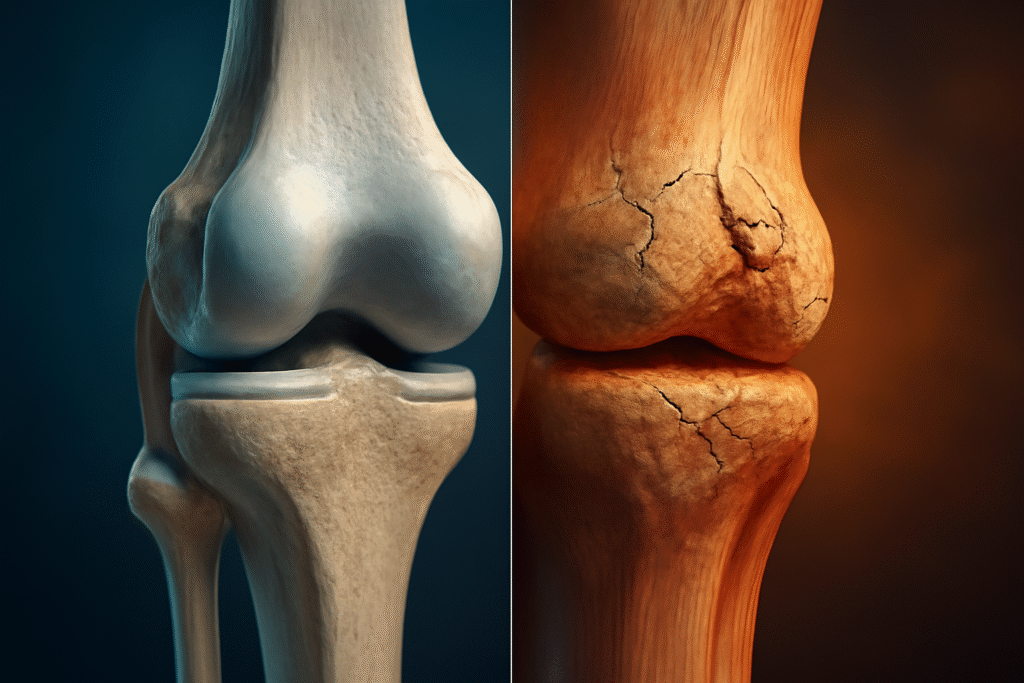
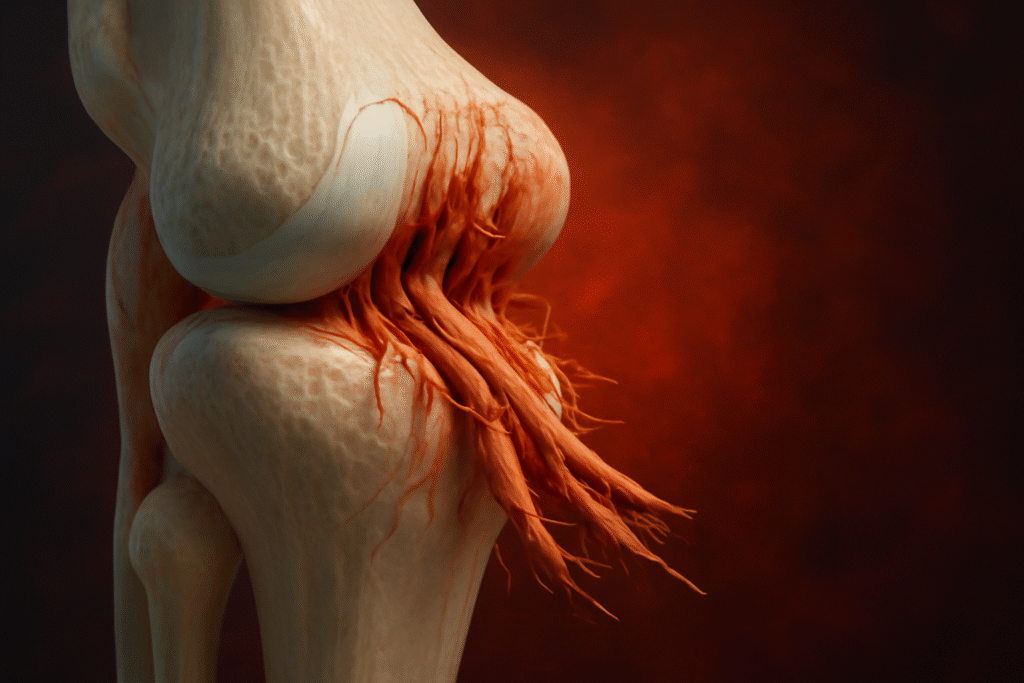
Think of your damaged joint as a dried-out garden. Corticosteroids are like throwing ice on wilted plants. Regenerative Medicine, on the other hand, brings the rain and nutrients the garden needs to heal itself from within.
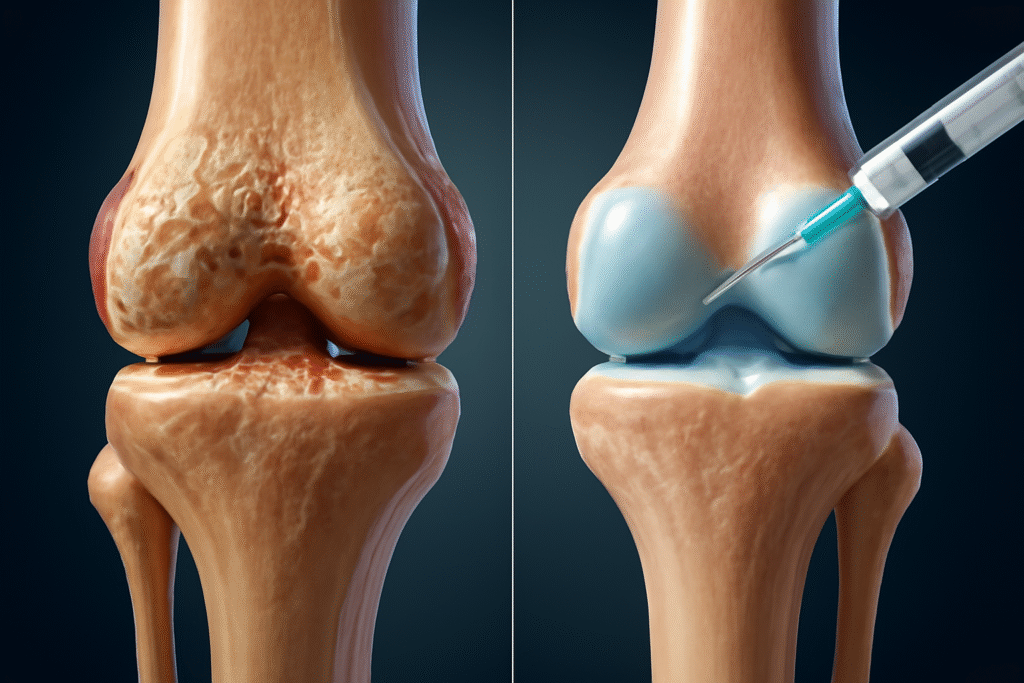
- PRP (Platelet-Rich Plasma): We use your own blood, concentrate the platelets (which are rich in growth factors) and reapply them into the joint. It’s a biological “fertiliser” that stimulates the repair of tendons, ligaments, and cartilage.
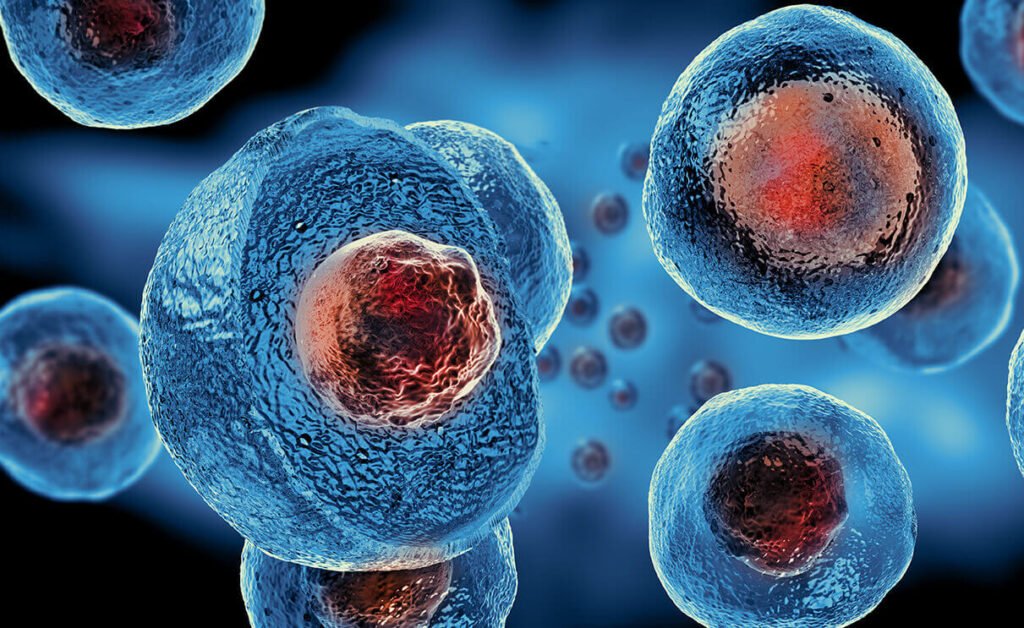
Mesenchymal Stem Cells: Extracted in a minimally invasive way from your own fat tissue (adipose tissue), these are “mother cells” capable of transforming into different types of tissue. They also modulate the environment around them to stop inflammation and trigger regeneration.
Surgical Precision: Ensuring the Cells Reach the Exact Site of the Injury
There’s no point having the best fertiliser if you spread it in the wrong place.
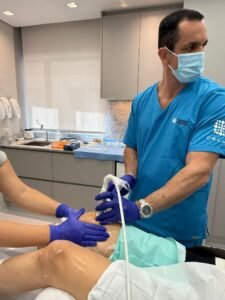
At my clinic, we use high-resolution ultrasound to guide every stem cell procedure.
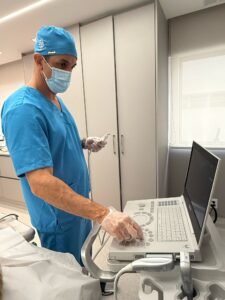
This means that, in real time, I can see exactly where the needle and cells are going. I have certainty that the stem cells or PRP are being placed precisely at the site of the lesion.
This is not just a technique I teach other doctors — it’s a standard of excellence and care that ensures the highest treatment effectiveness.
______________________________________
 Prioritise Yourself Today
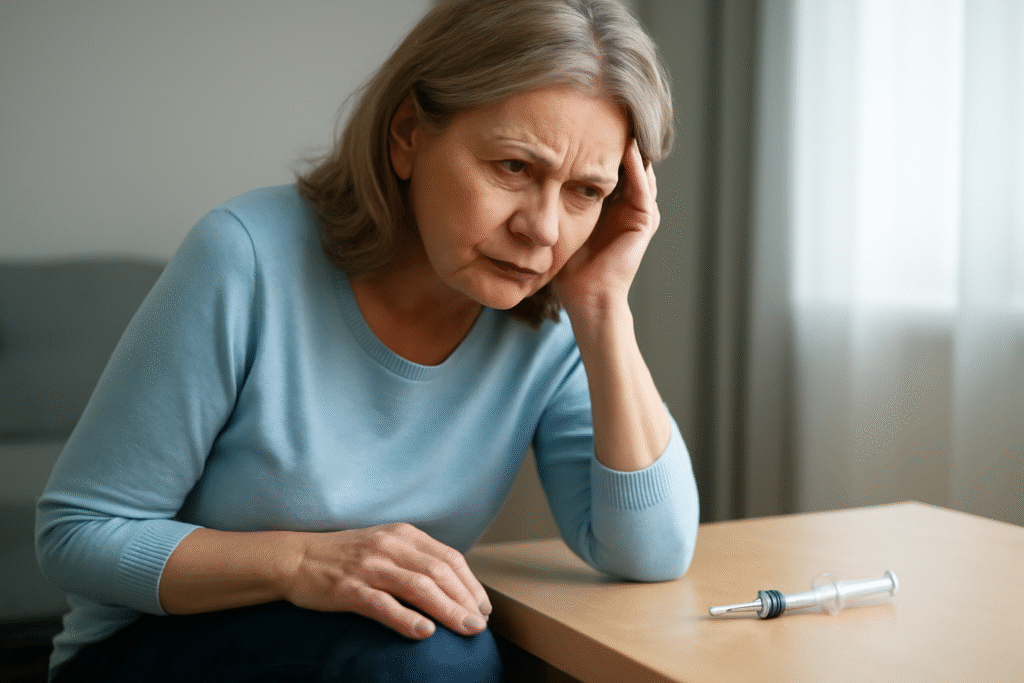
If you relate to this story and are tired of temporary solutions that may be harming your joints in the long run, it’s time for a new conversation.
Book a consultation with me.
We’ll carefully analyse your case and imaging results, and together determine whether Regenerative Medicine is the right path for you — not just to relieve pain, but to restore the health and function of your joint.
 Book your consultation with Dr Gabriel Azzini:
 Click here
Tel.: +44 02081291606
https://regendoctor.co.uk/#descer
In your appointment, you’ll receive a personalised, evidence-based plan to restore your health and wellbeing.
 Official Instagram: CLICK HERE
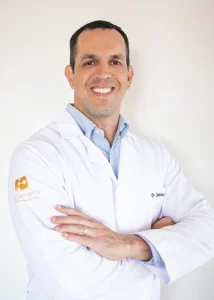 Dr Gabriel Azzini
Orthopaedic Doctor | Specialist in Regenerative Medicine
Fellowship in Regenerative Medicine – OSAI Bioresearch Foundation (Italy)
Professor of Postgraduate Studies in Regenerative Medicine (Orthoregen)
Member of the International Advisory Board – World Institute of Regenerative Medicine
#RegenerativeMedicine #CellRegeneration #HealingFromWithin #NonSurgicalTreatment #NaturalHealing #Osteoarthritis #Arthritis #Tendinitis #PRPTherapy #StemCellTherapy #HyaluronicAcid #SportsInjuries #Corticosteroids #CorticosteroidEffects #CartilageRepair #JointRegeneration