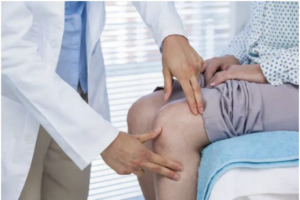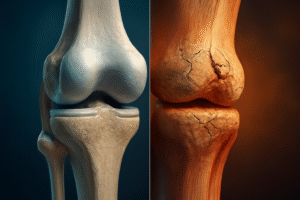
Knee pain caused by cartilage damage often doesn’t go away, even with medication or injections.
For months, the pain was constant.
It showed up every morning when I got out of bed.
It got worse going up the stairs.
Standing for long periods became a struggle.
I tried everything: paracetamol, anti-inflammatories, steroid injections…
Nothing brought lasting relief.
Until one day, I heard something no one had explained before:
“Your pain might not be about inflammation — it could be cartilage damage.”
That changed everything.
Why knee pain from cartilage damage doesn’t go away
Between the bones in your knee, there’s something crucial: cartilage.
It’s like a cushion absorbing impact and preventing the bones from grinding together.
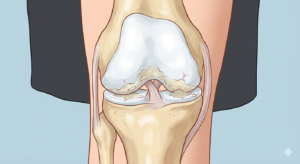
As we age, this cartilage can start to wear down. And when it does, symptoms appear:
- Pain when standing up or changing position
- Discomfort climbing stairs
- A popping or grinding feeling in the knee
- Pain after standing or walking for too long
The real issue?
Cartilage damage is often progressive — and it doesn’t heal on its own.
Why medication doesn’t fix cartilage damage in knee pain
Common medications like paracetamol or naproxen may temporarily reduce pain,
but they don’t fix the underlying issue.
Steroid injections can provide relief for a while,
but repeated use comes with side effects — and they don’t stop the cartilage from wearing away.
In other words, they treat the symptoms, not the cause.
Treating knee pain caused by cartilage damage
There’s growing evidence supporting regenerative treatments a set of therapies designed to support your body’s natural healing.

These treatments aim to:
✅ Slow down cartilage deterioration
✅ Reduce pain in a more sustainable way
✅ Help you move better, without relying on strong painkillers
✅ Delay or even avoid knee replacement surgery in some cases
They’re not magic fixes, but they do focus on healing tissue, not just hiding pain.
The turning point: when you understand what’s really going on
For many women over 50, persistent joint pain isn’t “just age.” It’s a signal and your body is asking for attention, not another pill.
When you identify the real cause of your knee pain, you can finally create a personalised plan to address it instead of just coping with it.
When should you speak to a specialist?
- If your knee pain has lasted more than 3 weeks
- If going up or down stairs has become difficult
- If painkillers are no longer effective
- If you’ve been told you have arthritis or “wear and tear”
- If your pain is affecting your everyday life
- You don’t need to wait until it gets worse.
💬 Your Next Step: Let’s Talk
If you’ve tried everything and nothing’s worked — you’re not alone.
But there are other options.
Book a consultation with me.
We’ll carefully analyse your case and imaging results, and together determine whether Regenerative Medicine is the right path for you — not just to relieve pain, but to restore the health and function of your joint.
📅 Book your consultation with Dr Gabriel Azzini:
👉 Click here
Tel.: +44 02081291606
https://regendoctor.co.uk
In your appointment, you’ll receive a personalised, evidence-based plan to restore your health and wellbeing.
📲 Official Instagram: CLICK HERE

Dr Gabriel Azzini
Orthopaedic Doctor | Specialist in Regenerative Medicine
Fellowship in Regenerative Medicine – OSAI Bioresearch Foundation (Italy)
Professor of Postgraduate Studies in Regenerative Medicine (Orthoregen)
Member of the International Advisory Board – World Institute of Regenerative Medicine