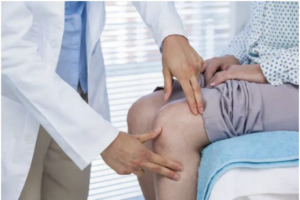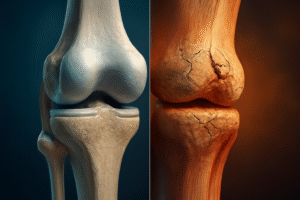
What is cartilage in the knee?
Cartilage is a smooth, resilient tissue that covers the ends of the bones inside your knee joint.
Its role is simple but essential: to absorb impact, reduce friction and allow smooth movement when you walk, bend, climb stairs or stand up.
When this cartilage is healthy, your knee moves quietly and efficiently.
When it starts to wear down, movement becomes painful, even during simple daily activities.
Cartilage damage in the knee often develops slowly, which is why many people don’t realise what’s happening until pain becomes persistent.
What causes cartilage damage in the knee?
Cartilage damage rarely happens overnight. In most cases, it’s the result of several factors acting together over time.
Here are the most common causes.
Age-related wear and tear
As we age, cartilage naturally becomes thinner and less resilient.
After the age of 40–50, the body’s ability to repair cartilage decreases, making the knee more vulnerable to damage.
This doesn’t mean pain is “normal” but it does mean the joint needs more attention.
Repetitive impact and overuse
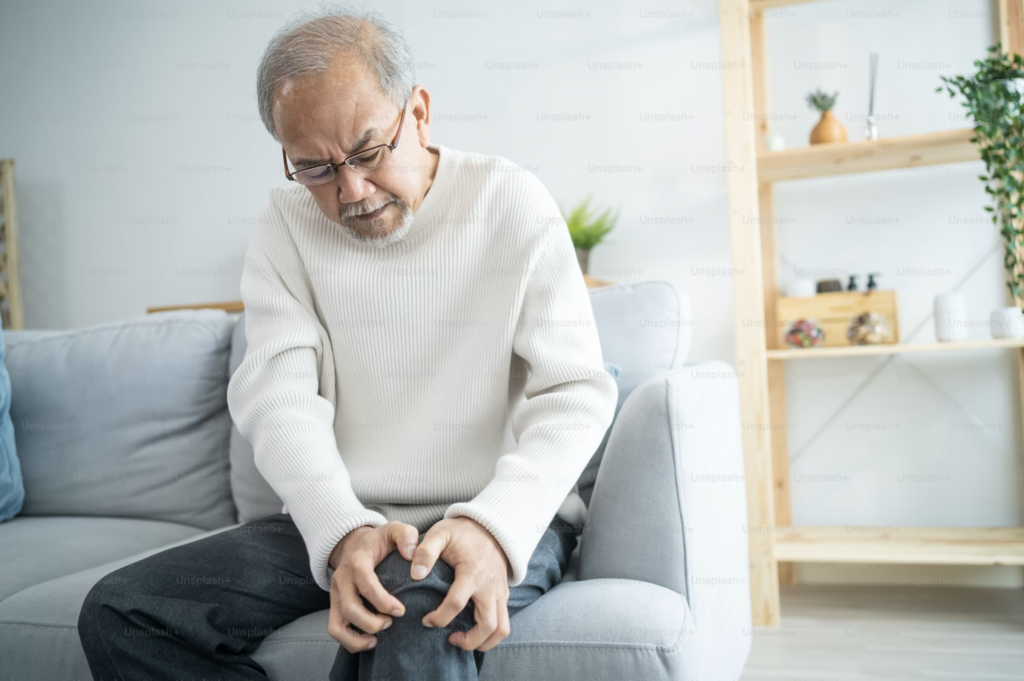
Activities that place repeated stress on the knee can accelerate cartilage damage, especially when recovery is inadequate.
Examples include:
- Running on hard surfaces
- High-impact sports
- Long periods of standing
- Poor movement patterns over time
Even people who are physically active and otherwise healthy can develop cartilage damage in the knee through cumulative overload.
Excess body weight
Extra weight increases the mechanical load across the knee joint.
For every step you take, the knee experiences several times your body weight in force.
Over time, this constant pressure contributes to cartilage breakdown and joint irritation.
Hormonal changes
Hormonal shifts particularly around menopause can affect joint health.
Oestrogen plays a role in maintaining cartilage and connective tissue integrity. When levels fall, cartilage may become more vulnerable to degeneration.
This is one reason why knee pain related to cartilage damage is more common in women over 50.
Early symptoms of cartilage damage many people ignore
One of the biggest challenges with cartilage damage in the knee is that early symptoms are often subtle and easy to dismiss.
Common early signs include:
- Pain when standing up after sitting
- Discomfort when climbing or descending stairs
- Stiffness in the morning that improves with movement
- A grinding, clicking or popping sensation
- Pain after walking or standing for longer periods
Because these symptoms come and go, many people assume they are “just ageing” or muscular issues — until the pain no longer settles.
Muscle pain vs joint pain: how to tell the difference
Understanding the difference between muscle pain and joint pain is crucial.
Muscle pain tends to:
- Be sore or tight
- Improve with rest and gentle movement
- Respond well to stretching or massage
Joint pain caused by cartilage damage often:
- Feels deep inside the knee
- Worsens with weight-bearing
- Persists despite rest or painkillers
- Returns quickly after activity
When knee pain behaves this way, cartilage involvement should be considered.
Why cartilage damage often leads to persistent knee pain
Unlike muscle tissue, cartilage has very limited blood supply.
This means it doesn’t heal easily on its own.
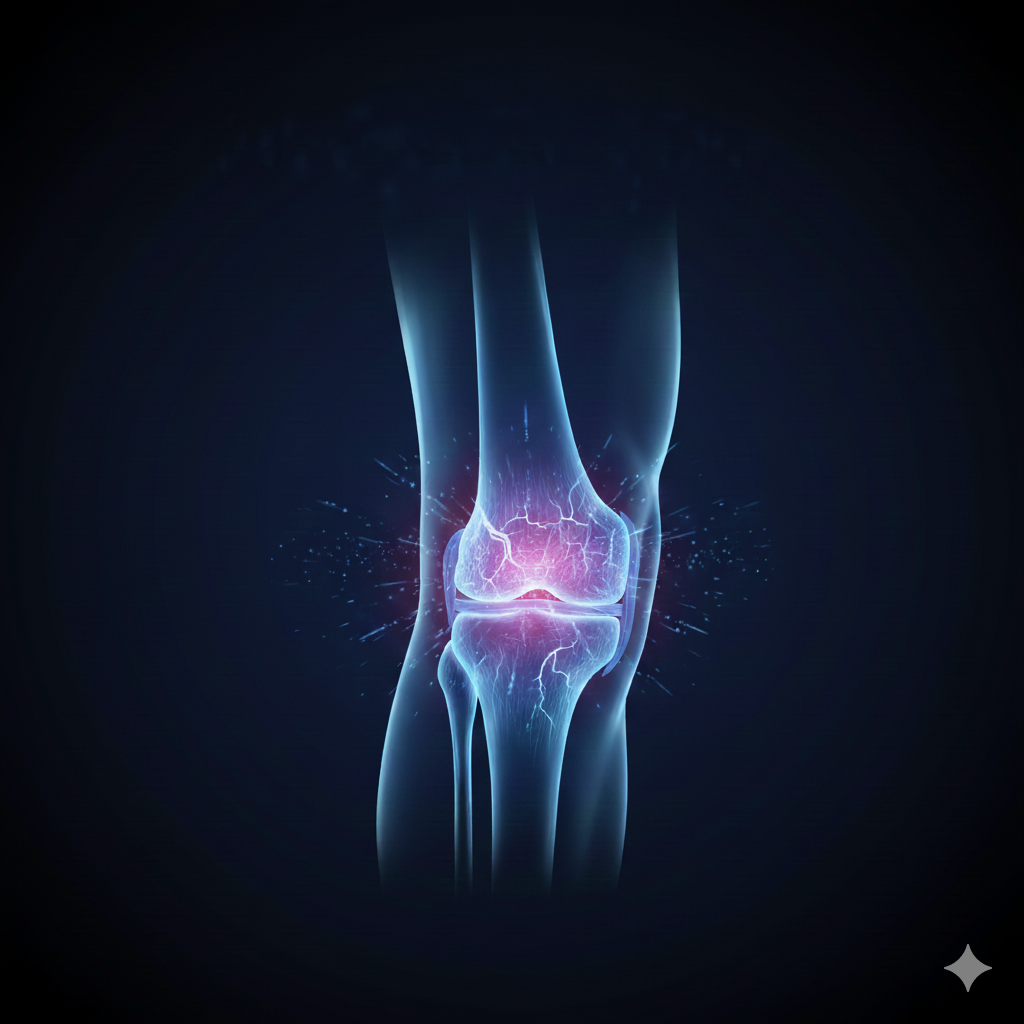
When cartilage damage progresses, it can lead to ongoing joint irritation and pain that doesn’t respond well to standard medications.
If you want to understand why knee pain caused by cartilage damage often doesn’t go away, even with painkillers or injections, this is explained in more detail here:
👉 When cartilage damage causes knee pain that doesn’t go away
When should you seek specialist advice?
You should consider further evaluation if:
- Knee pain has lasted more than a few weeks
- Stairs or everyday movements are becoming difficult
- Pain relief only provides temporary improvement
- You’ve been told you have “wear and tear” or early arthritis
- Your quality of life is being affected
Early assessment allows for better planning and more options.
Final thoughts
Cartilage damage in the knee is common but it’s often misunderstood.
Recognising the early signs and understanding the underlying causes can make a significant difference in how knee pain is managed long term.
If you suspect your symptoms may be related to cartilage damage, seeking clarity early is always a sensible first step.
📅 Book your consultation with Dr Gabriel Azzini:
👉 Click here
Tel.: +44 02081291606
https://regendoctor.co.uk
In your appointment, you’ll receive a personalised, evidence-based plan to restore your health and wellbeing.
📲 Official Instagram: CLICK HERE
Dr Gabriel Azzini
Orthopaedic Doctor | Specialist in Regenerative Medicine
Fellowship in Regenerative Medicine – OSAI Bioresearch Foundation (Italy)
Professor of Postgraduate Studies in Regenerative Medicine (Orthoregen)
Member of the International Advisory Board – World Institute of Regenerative Medicine